
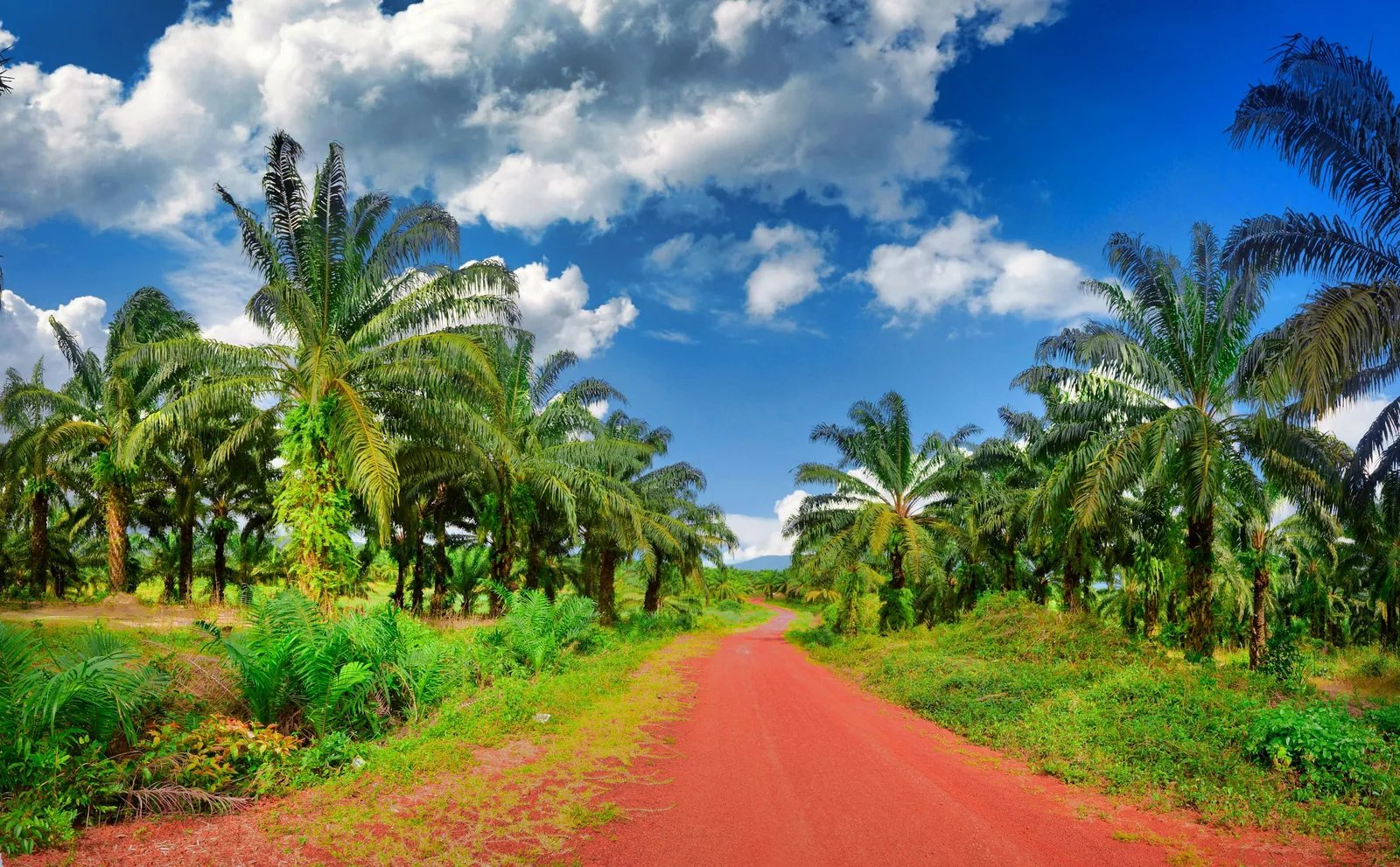
Red laterite road running through a bright green oil palm plantation
  1. Home
  2. Supply Chain

Supply chain

From plantation to port.

Six stages, each with a decision that affects the quality of the oil you receive, and how we follow your order through all of them.

01

Plantation & harvest

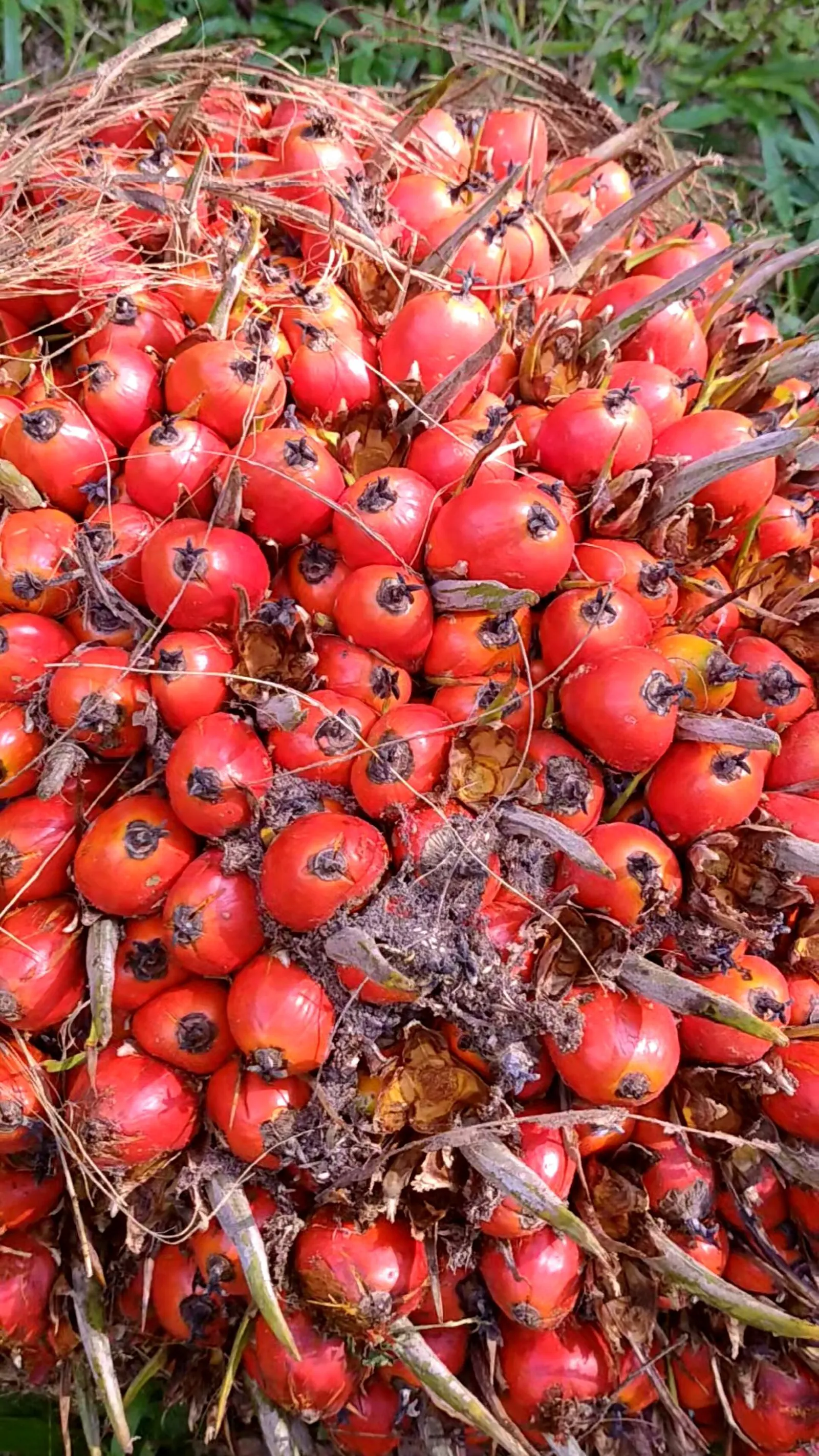
The oil palm is a tropical crop that bears fruit year-round. Ripe fresh fruit bunches are cut on regular harvesting rounds and carried to the field roads for collection.

  • Bunches are harvested at ripeness, when loose fruitlets begin to fall
  • Speed matters: free fatty acid rises once a bunch is cut
  • Fruit reaches the mill quickly to protect quality
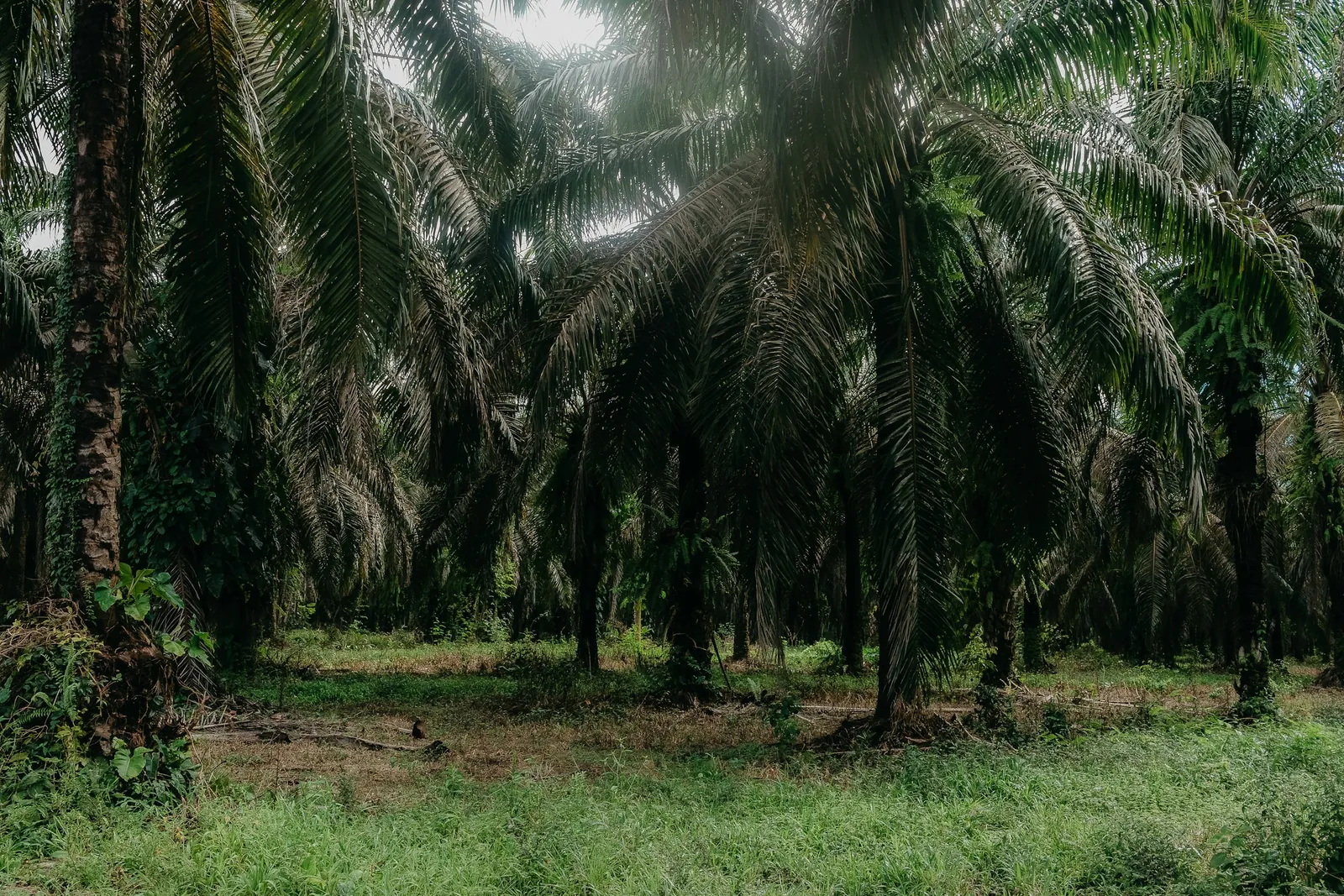
Mature oil palms in a dense plantation
02

Milling

At the mill, bunches are steam-sterilised, stripped of their fruitlets, digested and pressed. The pressed liquor is clarified into crude palm oil, and the nuts are cracked for their kernels.

  • Sterilisation halts the enzymes that raise acidity
  • Pressing and clarification produce crude palm oil
  • Kernels are crushed separately for palm kernel oil
Close-up of fresh oil palm fruitlets on the bunch
03

Refining & fractionation

Crude oils are degummed, bleached and deodorised. Controlled crystallisation then separates palm oil into liquid olein and solid stearin, and olein can be fractionated a second time.

  • Yields RBD palm oil, olein, double fractionated olein and stearin
  • Deodorisation recovers palm fatty acid distillate (PFAD)
  • Chemical refining soapstock becomes acid oils
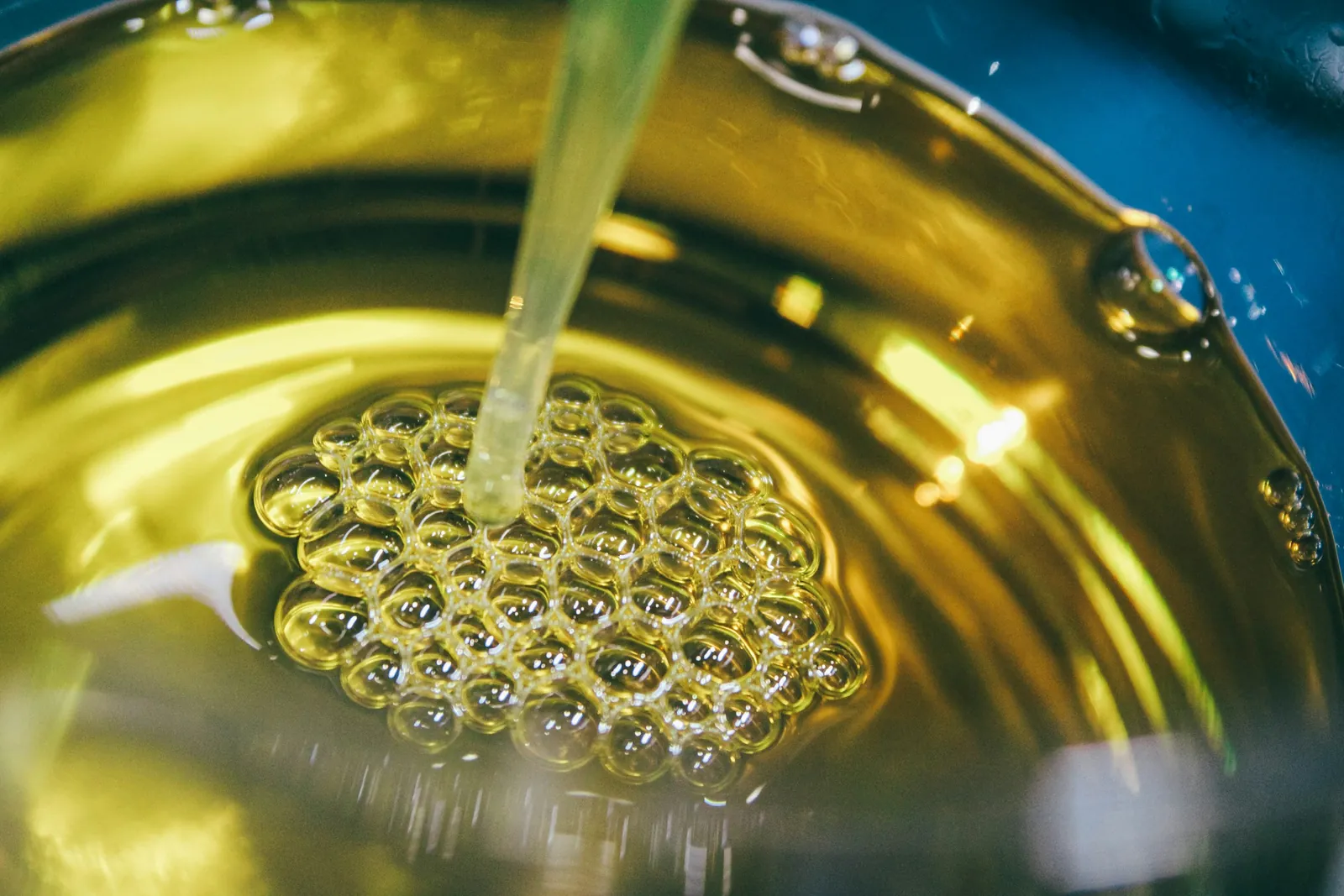
Golden refined oil flowing into a vessel
04

Oleochemical processing

Fats and oils are split into fatty acids and glycerol, and distillates and acid oils are prepared for soap, feed, surfactant and biofuel producers.

  • Fat splitting produces fatty acids and glycerol
  • Distillates from palm, palm kernel and coconut refining
  • Grades matched to the end-use
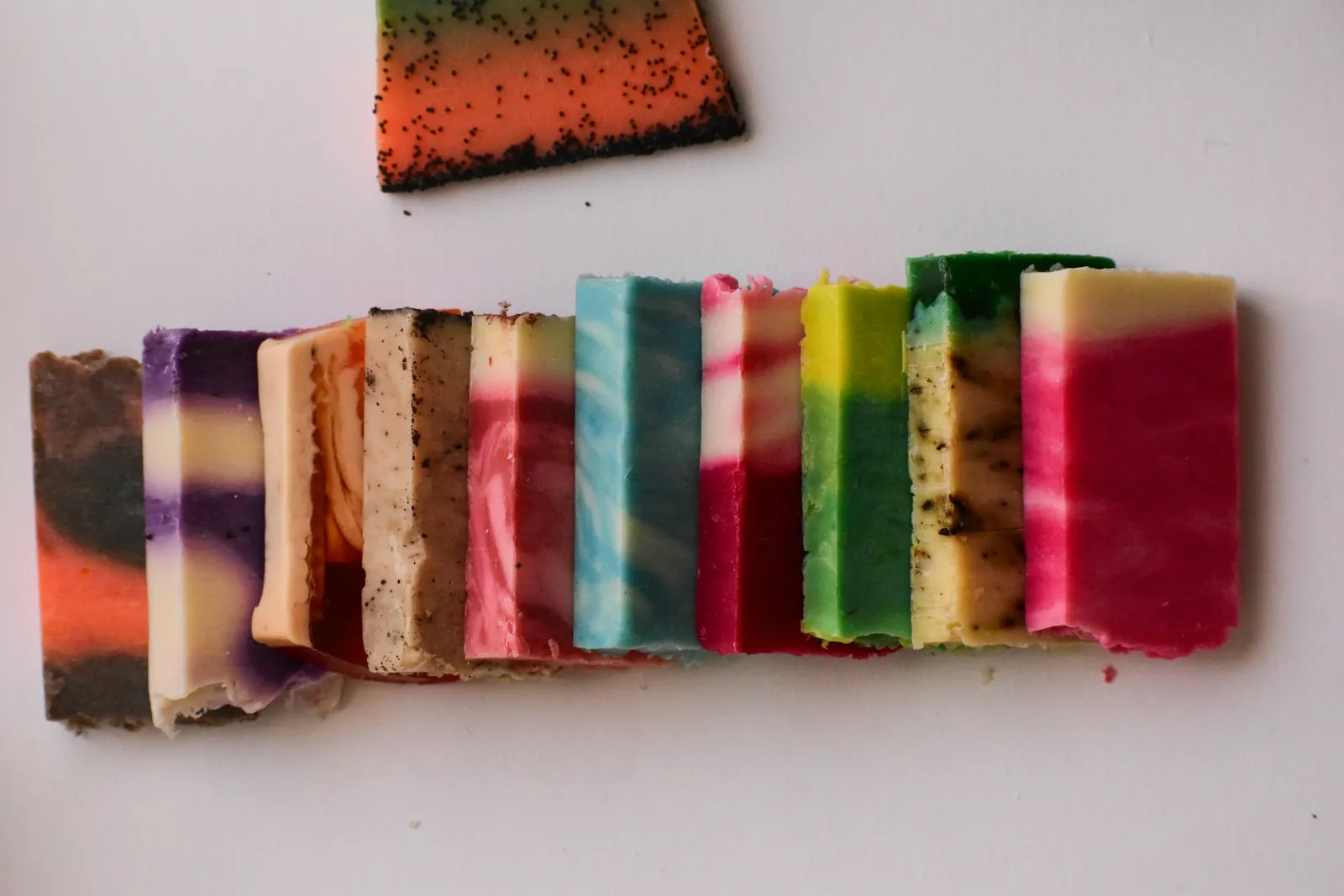
Bars of soap made from oleochemical raw materials
05

Storage & quality control

Product is held in segregated, heated tanks where required. Samples are analysed against the contract specification before loading.

  • Typical checks: FFA, moisture & impurities, iodine value, melting point, colour
  • Certificate of analysis for the shipped lot
  • Buyer-nominated surveyors can sample and witness
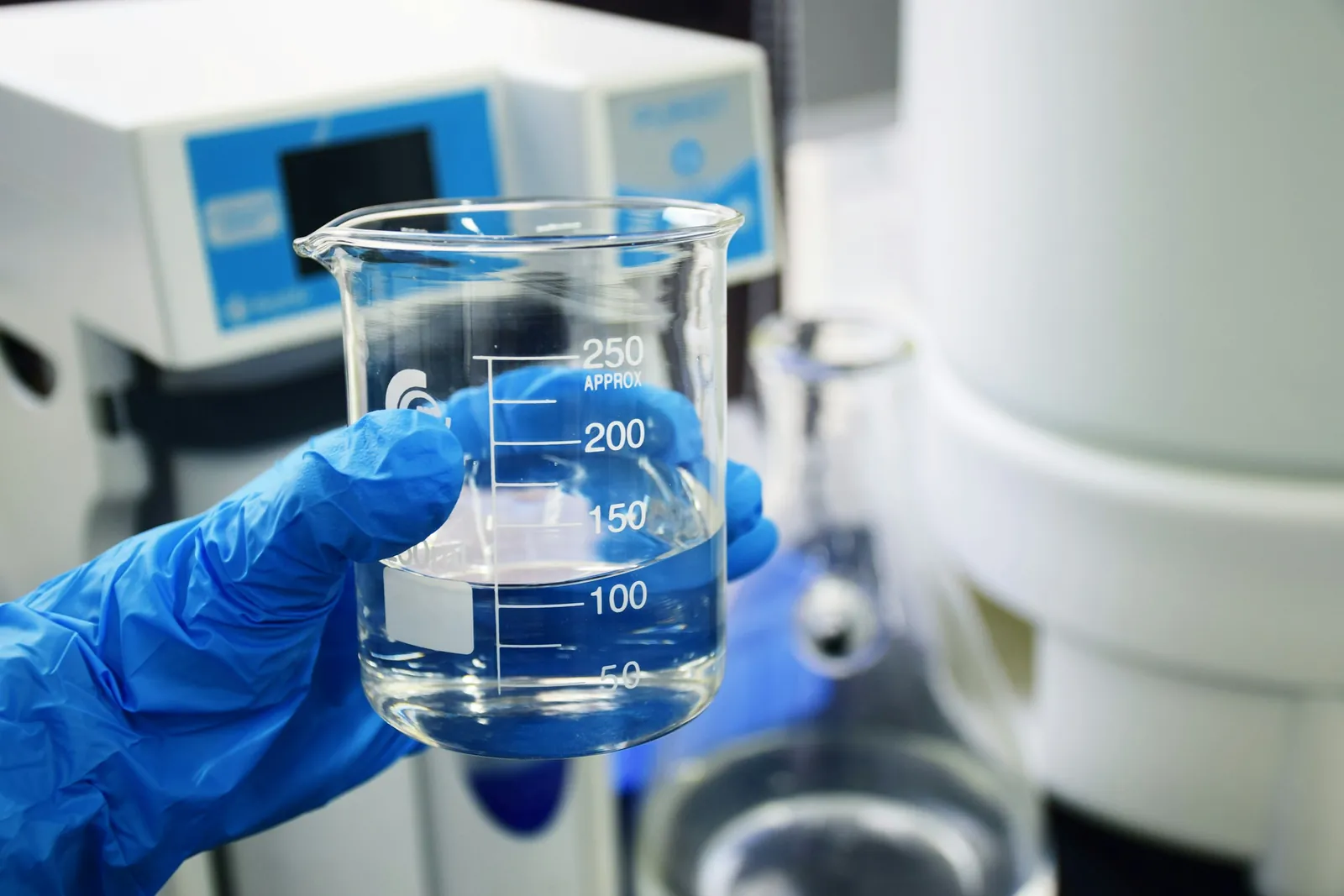
Laboratory beaker held during quality analysis
06

Shipment & documents

Pasir Gudang in Johor is one of Malaysia’s main gateways for oils and fats exports. Cargo moves by parcel tanker, flexitank, ISO tank or drum.

  • FOB, CFR or CIF on standard Incoterms
  • Bill of lading, invoice, packing list
  • Certificate of analysis and certificate of origin
Product tanker at sea off Johor at sunset

Tell us the grade, the volume and the port.

Share your specification, quantity and destination. We will reply with availability, the pricing basis and shipping options.